

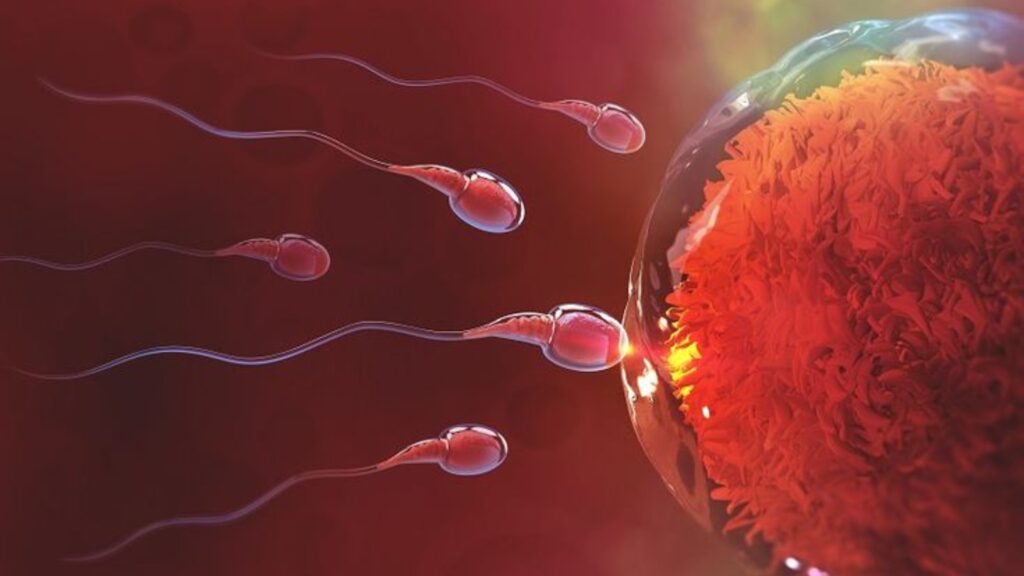
Pregnancy depends on the health of both partners, yet discussions about fertility often focus more on women. In reality, male fertility plays an equally important role, and sperm quality is one of the most significant factors influencing successful conception. Healthy sperm increases the likelihood of fertilizing an egg and supporting a healthy pregnancy.
Thank you for reading this post, don't forget to subscribe!If you and your partner have been trying to conceive without success, understanding sperm quality can help identify potential challenges and guide you toward the right treatment. This guide explains what sperm quality means, what affects it, and how it can influence pregnancy outcomes.
Key Takeaways
- Sperm quality plays a vital role in natural conception and fertility treatments.
- Healthy sperm are measured by count, motility, morphology, and DNA integrity.
- Poor sperm quality can reduce the chances of pregnancy but does not always mean infertility.
- Lifestyle habits such as smoking, alcohol, obesity, poor diet, and stress can negatively affect sperm health.
- Medical conditions, infections, hormonal imbalances, and age can also impact sperm quality.
- Many causes of poor sperm quality are treatable with lifestyle changes or medical care.
- A semen analysis is the first step in evaluating male fertility.
- Early diagnosis and timely fertility treatment can improve the chances of achieving pregnancy.
Table of Contents
- What Is Sperm Quality?
- Why Is Sperm Quality Important for Pregnancy?
- Key Factors That Determine Sperm Quality
- What Causes Poor Sperm Quality?
- Signs of Poor Sperm Quality
- How Is Sperm Quality Tested?
- Can Poor Sperm Quality Affect Pregnancy?
- How to Improve Sperm Quality Naturally
- Medical Treatments for Poor Sperm Quality
- When Should You See a Fertility Specialist?
- Conclusion
- Frequently Asked Questions (FAQs)
What Is Sperm Quality?
Sperm quality refers to the overall health and ability of sperm to fertilize an egg successfully. A healthy sperm must be able to swim efficiently, reach the egg, and carry healthy genetic material.
Doctors usually evaluate sperm quality through a semen analysis, which measures different characteristics of the sperm sample.
Good sperm quality improves the chances of natural conception and increases the success rates of fertility treatments such as IUI and IV
Why Is Sperm Quality Important for Pregnancy?
Healthy sperm is essential because only one sperm successfully fertilizes an egg. If sperm are weak, slow-moving, or abnormal in shape, fertilization becomes more difficult.
Good sperm quality helps:
- Increase the chances of natural conception.
- Improve fertilization during IVF or ICSI.
- Support healthy embryo development.
- Reduce the risk of certain pregnancy complications related to poor sperm DNA quality.
Male fertility contributes to nearly half of all infertility cases, making sperm health an important part of fertility evaluation.
Key Factors That Determine Sperm Quality
- Sperm Count
Sperm count means how many sperm are present in a semen sample.
A healthy sperm count increases the likelihood that one sperm will successfully fertilize the egg.
- Sperm Motility
Motility describes how well sperm move.
Strong forward movement allows sperm to travel through the female reproductive tract and reach the egg.
Poor motility reduces the chances of successful fertilization.
- Sperm Morphology
Morphology refers to the size and shape of sperm.
Normally shaped sperm have a better chance of fertilizing an egg than sperm with structural abnormalities.
- Sperm DNA Integrity
Healthy DNA is essential for embryo development.
High levels of DNA fragmentation may reduce fertilization rates and increase the risk of miscarriage in some cases.
What Causes Poor Sperm Quality?
Several factors can affect sperm health.
Lifestyle Factors
- Smoking
- Excessive alcohol consumption
- Recreational drug use
- Poor nutrition
- Obesity
- Lack of exercise
- Chronic stress
- Poor sleep habits
Medical Conditions
- Diabetes
- Hormonal disorders
- Varicocele
- Sexually transmitted infections
- Previous surgeries
- Genetic conditions
Environmental Factors
- Exposure to pesticides
- Industrial chemicals
- Radiation
- Air pollution
- High temperatures around the testes
- Frequent hot tubs or saunas
Age
Although men remain fertile longer than women, sperm quality gradually declines with age, especially after the age of 40.
Signs of Poor Sperm Quality
Poor sperm quality often has no obvious symptoms.
However, possible signs include:
- Difficulty conceiving after one year of regular unprotected intercourse.
- Low sexual desire due to hormonal imbalance.
- Erectile or ejaculation problems.
- Pain or swelling in the testicles.
- History of fertility problems.
Many men discover sperm abnormalities only after undergoing fertility testing.
How Is Sperm Quality Tested?
The most common test is a semen analysis.
The laboratory evaluates:
- Semen volume
- Sperm concentration
- Total sperm count
- Motility
- Morphology
- pH level
- White blood cells
- Liquefaction time
Additional tests may include:
- Hormone testing
- Genetic testing
- Ultrasound examination
- Sperm DNA fragmentation testing
Your fertility specialist will recommend tests based on your medical history.
Can Poor Sperm Quality Affect Pregnancy?
Yes, poor sperm quality can make conception more difficult.
Possible effects include:
- Longer time to achieve pregnancy.
- Lower natural conception rates.
- Reduced IVF fertilization rates.
- Increased need for assisted reproductive techniques.
- Higher risk of early pregnancy loss in some cases associated with poor sperm DNA quality.
However, many couples with male fertility challenges successfully achieve pregnancy through appropriate treatment.
How to Improve Sperm Quality Naturally
Many lifestyle changes can support healthier sperm production.
Eat a Nutrient-Rich Diet
Include:
- Fresh fruits
- Green leafy vegetables
- Whole grains
- Nuts
- Seeds
- Eggs
- Fish
- Lean protein
Foods rich in antioxidants, zinc, selenium, folate, and vitamins C, D, and E support reproductive health.
Maintain a Healthy Weight
Being overweight or underweight can affect hormone levels and sperm production.
Regular physical activity supports overall fertility.
Exercise Regularly
Moderate exercise helps improve hormone balance and blood circulation.
Avoid excessive overtraining.
Quit Smoking
Smoking damages sperm DNA and reduces sperm count and motility.
Quitting smoking can improve fertility over time.
Limit Alcohol
Heavy alcohol consumption can reduce testosterone production and sperm quality.
Drink in moderation or avoid alcohol while trying to conceive.
Reduce Stress
Chronic stress may affect reproductive hormones.
Helpful techniques include:
- Meditation
- Yoga
- Deep breathing
- Regular sleep
- Relaxation activities
Avoid Heat Exposure
Protect sperm health by avoiding:
- Hot tubs
- Saunas
- Tight underwear for extended periods
- Keeping laptops directly on your lap
Medical Treatments for Poor Sperm Quality
Treatment depends on the underlying cause.
Your doctor may recommend:
- Lifestyle modifications
- Nutritional supplements
- Hormonal therapy
- Antibiotics for infections
- Varicocele surgery
- Fertility medications
- Intrauterine Insemination (IUI)
- In Vitro Fertilization (IVF)
- Intracytoplasmic Sperm Injection (ICSI)
Modern fertility treatments have helped many couples overcome male infertility.
When Should You See a Fertility Specialist?
Consult a fertility specialist if:
- You have been trying to conceive for over one year without success.
- The female partner is over 35 and pregnancy has not occurred within six months.
- You have a history of testicular injury or surgery.
- You have hormonal disorders or known fertility issues.
- Previous semen analysis showed abnormal results.
Early evaluation can improve treatment outcomes.
Conclusion
Sperm quality plays a crucial role in achieving a healthy pregnancy, and male fertility should be considered just as important as female reproductive health. Factors such as sperm count, motility, morphology, and DNA integrity all influence the chances of successful conception. Fortunately, many causes of poor sperm quality can be improved through healthy lifestyle changes, early diagnosis, and appropriate medical treatment. If you and your partner are experiencing difficulty conceiving, consulting a fertility specialist for a comprehensive evaluation can help identify the cause and guide you toward the most effective treatment, increasing your chances of building a healthy family.
Take the Next Step Towards Parenthood
If you are facing difficulty conceiving, don’t overlook male fertility. A timely fertility evaluation can help identify sperm-related issues and guide you towards the right treatment. Our fertility specialists provide personalised support for male infertility and other fertility concerns.
Book a consultation with our fertility specialist in Pune today and take the first step towards building your family.
FAQs
(Frequently Asked Questions)
Can poor sperm quality prevent pregnancy completely?
Not always. Many men with reduced sperm quality can still achieve pregnancy naturally or with fertility treatments.
Can sperm quality improve over time?
Yes. Lifestyle improvements, treatment of underlying medical conditions, and healthy habits can improve sperm quality over several months.
How long does it take to improve sperm quality?
Since sperm production takes approximately 70–90 days, noticeable improvements usually require about three months of healthy lifestyle changes.
Does age affect sperm quality?
Yes. Sperm quality gradually declines with age, particularly after 40, although many men remain fertile later in life.
Which fertility test evaluates sperm quality?
A semen analysis is the primary laboratory test used to assess sperm count, motility, morphology, and overall sperm health.