

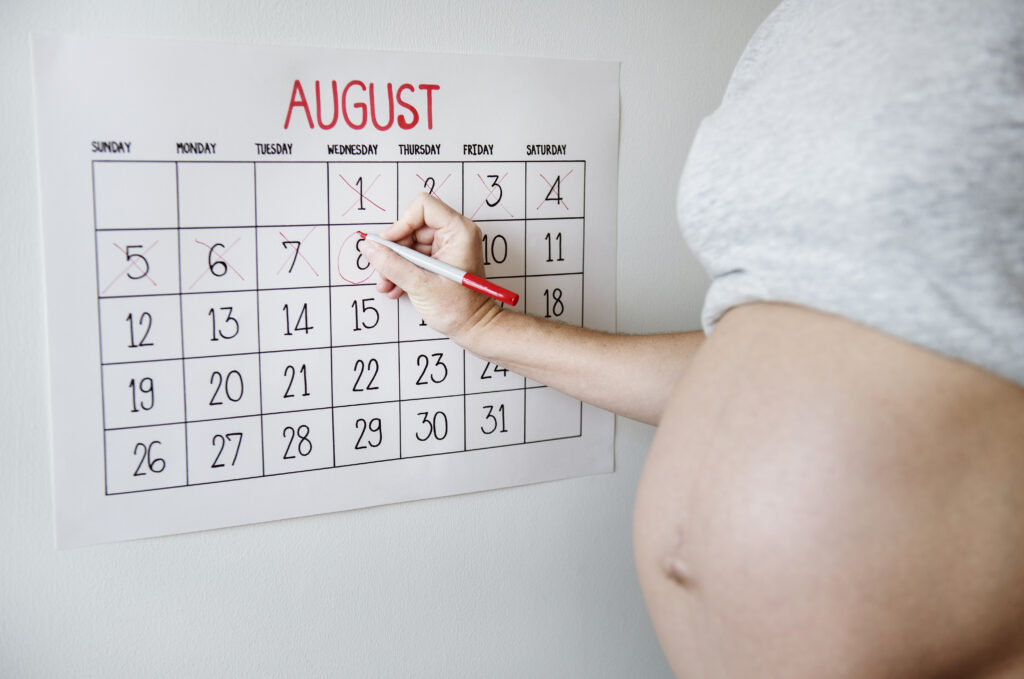
For couples beginning their fertility journey, one of the biggest questions is, “How long does IVF take?” While every treatment plan is personalized, a typical IVF cycle takes about 6-8 weeks from the initial consultation to the pregnancy test. If frozen embryos, additional testing, or fertility treatments are needed beforehand, the timeline may be longer.
Thank you for reading this post, don't forget to subscribe!Understanding each stage of the IVF process can help reduce uncertainty and make you feel more prepared. This week-by-week guide explains what you can expect from your first appointment to the exciting moment of finding out if you’re pregnant.
Key Takeaways
- A typical IVF cycle lasts 6-8 weeks, though individual timelines may vary.
- The process includes consultation, testing, ovarian stimulation, egg retrieval, fertilization, embryo transfer, and a pregnancy test.
- Regular monitoring helps optimize treatment and improve outcomes.
- The two-week wait after embryo transfer is often the most emotionally challenging stage.
- Following your fertility specialist’s advice, maintaining healthy habits, and staying emotionally supported can help you navigate the IVF journey with confidence.
Table of Contents
- What Is the Typical IVF Timeline?
- Week 1: Initial Consultation and Fertility Assessment
- Week 2: Preparing for IVF
- Week 3: Ovarian Stimulation
- Week 4: Egg Retrieval and Fertilization
- Week 5: Embryo Development and Transfer
- Week 6: The Two-Week Wait
- Pregnancy Test and Next Steps
- Factors That May Affect Your IVF Timeline
- Tips for a Smooth IVF Journey
- Final Thoughts
- FAQs
What Is the Typical IVF Timeline?
An IVF cycle includes several carefully planned steps, each designed to maximize the chances of pregnancy.
A standard IVF timeline includes:
- Initial consultation
- Fertility testing
- Ovarian stimulation
- Egg retrieval
- Fertilization in the laboratory
- Embryo development
- Embryo transfer
- Pregnancy blood test
Every patient’s treatment plan may vary depending on age, fertility diagnosis, hormone levels, and overall reproductive health.
Week 1: Initial Consultation and Fertility Assessment
Your IVF journey begins with a detailed consultation with a fertility specialist.
During this visit, your doctor may:
- Review your medical history
- Discuss previous pregnancies or fertility treatments
- Evaluate lifestyle factors
- Recommend fertility tests
- Explain the IVF process
- Develop a personalized treatment plan
Common Tests Include
- Blood hormone tests
- Ultrasound scan
- Ovarian reserve assessment
- Semen analysis
- Infectious disease screening
This information helps your fertility team create the best treatment approach.
Week 2: Preparing for IVF
Once your test results are reviewed, your doctor will prepare you for treatment.
You may receive:
- Fertility medications
- Injection training
- Nutrition advice
- Lifestyle recommendations
- Medication schedule
Some patients may also take birth control pills or hormone medications before stimulation begins to help synchronize the ovaries.
Week 3: Ovarian Stimulation
This is one of the most important stages of IVF.
Instead of producing one egg naturally, fertility medications encourage the ovaries to develop multiple mature eggs.
During this week, you’ll typically:
- Take daily hormone injections
- Visit the clinic for ultrasound scans
- Have blood tests to monitor hormone levels
- Receive medication adjustments if needed
Monitoring Is Essential
Frequent monitoring allows your fertility specialist to determine:
- Egg growth
- Follicle size
- Hormone response
- Best timing for egg retrieval
Week 4: Egg Retrieval and Fertilization
Trigger Injection
When the follicles reach the ideal size, you’ll receive a trigger injection that prepares the eggs for collection.
Egg retrieval usually takes place 34–36 hours later.
Egg Retrieval Procedure
The procedure:
- Takes around 20–30 minutes
- Is performed under light sedation
- Uses ultrasound guidance
- Allows you to return home the same day
Most patients experience mild cramping or spotting afterward.
Fertilization
On the same day:
- Eggs are collected.
- A semen sample is prepared.
- Fertilization takes place in the IVF laboratory.
If needed, ICSI (Intracytoplasmic Sperm Injection) may be used, where a single sperm is injected directly into an egg.
Week 5: Embryo Development and Transfer
After fertilization, embryos continue developing in the laboratory for several days.
The embryology team carefully monitors:
- Cell division
- Embryo quality
- Growth rate
Embryo Transfer
Depending on your treatment plan, the embryo transfer usually occurs 3–5 days after egg retrieval.
The procedure:
- Is quick and painless
- Usually doesn’t require anesthesia
- Takes about 10–20 minutes
The selected embryo is gently placed into the uterus using a thin catheter.
Week 6: The Two-Week Wait
After embryo transfer comes the emotional stage often called “The Two-Week Wait.”
During this period:
- Continue prescribed medications.
- Avoid stopping progesterone without medical advice.
- Maintain normal daily activities unless instructed otherwise.
- Focus on healthy eating and adequate rest.
Many people wonder whether they should watch for pregnancy symptoms.
However, symptoms such as:
- Mild cramping
- Breast tenderness
- Fatigue
- Bloating
can be caused by hormone medications and do not necessarily indicate pregnancy.
Pregnancy Test and Next Steps
Around 10-14 days after embryo transfer, your fertility clinic will perform a blood test (beta hCG) to determine whether implantation has occurred.
If the Test Is Positive
Your clinic may:
- Repeat blood tests
- Schedule an early pregnancy ultrasound
- Continue pregnancy medications
If the Test Is Negative
Your doctor will:
- Review the IVF cycle
- Discuss possible reasons
- Recommend future treatment options
- Plan another cycle if appropriate
Remember, many successful IVF pregnancies occur after more than one treatment cycle.
Factors That May Affect Your IVF Timeline
Every IVF journey is different.
Your timeline may be longer if you need:
- Additional fertility testing
- Frozen embryo transfer (FET)
- Genetic testing (PGT)
- Hormonal preparation
- Treatment for uterine conditions
- Recovery between IVF cycles
Your fertility specialist will create a schedule based on your individual needs.
Tips for a Smooth IVF Journey
Stay Organized
Keep a calendar for:
- Medication schedules
- Clinic appointments
- Blood tests
- Ultrasounds
Follow Medical Instructions
Take medications exactly as prescribed and attend every monitoring appointment.
Eat a Healthy Diet
Choose foods rich in:
- Protein
- Fruits
- Vegetables
- Whole grains
- Healthy fats
Stay hydrated throughout treatment.
Manage Stress
Practice relaxation techniques such as:
- Deep breathing
- Meditation
- Walking
- Gentle yoga (if approved by your doctor)
Build a Support System
Talk openly with:
- Your partner
- Family members
- Friends
- Fertility counselors
- IVF support groups
Emotional support can make the journey easier.
Final Thoughts
The IVF journey is a series of carefully planned steps, each bringing you closer to your goal of becoming a parent. While the timeline may seem overwhelming at first, understanding what happens each week can help you feel more confident and prepared.
Every fertility journey is unique, and patience is an important part of the process. With the support of an experienced fertility team, healthy lifestyle choices, and emotional encouragement, you can approach each stage of IVF with greater clarity and hope.
Begin Your IVF Journey with Expert Guidance
Understanding the IVF timeline is the first step towards making informed decisions about your fertility journey. Every couple’s experience is unique, and having the right fertility specialists by your side can make the process more manageable and reassuring.
At Elpis IVF Care, we provide personalized fertility assessments, advanced IVF treatments, and compassionate support at every stage, from your first consultation to pregnancy and beyond.
Ready to take the next step? Learn more about our fertility specialists and patient-centred approach by visiting our About Us page:
https://elpisivfclinic.com/about-us/
Book your consultation today and let Elpis IVF Care guide you on your journey towards parenthood with confidence.
FAQs
(Frequently Asked Questions)
How long does one IVF cycle take?
Most IVF cycles take 6-8 weeks, from the first consultation to the pregnancy blood test. Additional treatments may extend the timeline.
Is egg retrieval painful?
Egg retrieval is usually performed under light sedation, so most patients experience little discomfort during the procedure. Mild cramping afterward is common.
How many days after egg retrieval is embryo transfer?
Embryo transfer typically takes place 3-5 days after egg retrieval, depending on embryo development and your treatment plan.
Can I work during IVF treatment?
Many patients continue working throughout IVF, though some choose to take time off for procedures like egg retrieval. Your doctor can advise what is best for your situation.
When is the pregnancy test after IVF?
A blood pregnancy test is usually performed 10-14 days after embryo transfer to confirm whether implantation has occurred.