

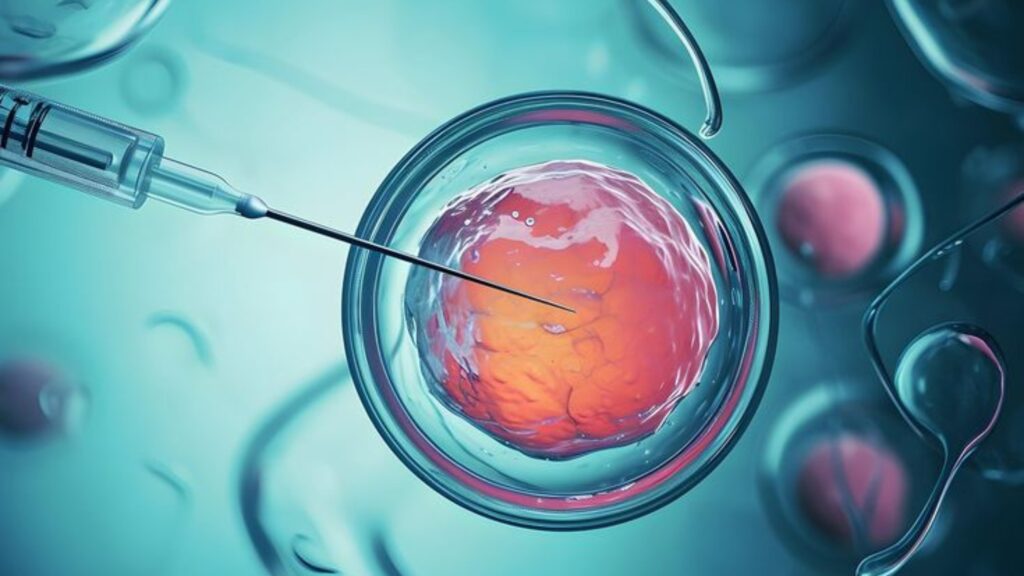
When couples begin exploring fertility options, one of the most common questions they ask is: What is the right age for IVF treatment? While IVF has helped millions of people achieve parenthood, age remains one of the most important factors influencing fertility and treatment outcomes.
Thank you for reading this post, don't forget to subscribe!However, there is no universal answer. The ideal age for IVF treatment varies depending on individual fertility health, medical history, and reproductive goals. Understanding how age affects fertility can help you make informed decisions and seek treatment at the right time.
Key Takeaways
- There is no single “perfect” age for IVF treatment, as fertility needs vary from person to person.
- Age is an important factor that can influence egg quality, ovarian reserve, and IVF success rates.
- Women in their 20s and early 30s generally have higher fertility potential and better IVF outcomes.
- Fertility naturally begins to decline after the age of 35, making timely evaluation important.
- Women over 35 can still achieve successful pregnancies through IVF with personalized treatment planning.
- IVF may be recommended earlier for individuals with conditions such as PCOS, endometriosis, low AMH, or unexplained infertility.
- Fertility testing helps specialists assess reproductive health and determine the most appropriate treatment approach.
- Delaying fertility treatment may reduce pregnancy chances due to age-related changes in egg quantity and quality.
- Modern IVF techniques and advanced fertility care have improved success rates across different age groups.
- Consulting a fertility specialist early can help couples understand their options and make informed decisions about family planning.
Table of Contents
- Understanding the Age for IVF Treatment
- Why Age Matters in Fertility Treatment Age Planning?
- IVF Success Rates in Your 20s and Early 30s
- Fertility Changes After 35
- Can I Do IVF After 35?
- IVF Treatment in Your 40s
- Medical Conditions That May Require Earlier IVF
- Fertility Testing and IVF Planning
- How Modern IVF Has Improved Success Across Age Groups?
- When Should You Consult a Fertility Specialist?
- Final Thoughts
- FAQs
1. Understanding the Age for IVF Treatment
IVF, or In Vitro Fertilization, is a fertility treatment that helps couples overcome various reproductive challenges. While IVF can be successful at different ages, fertility naturally changes over time.
The age for IVF treatment becomes particularly important because it directly affects:
- Egg quality
- Egg quantity
- Embryo development
- Implantation potential
- Pregnancy success rates
Although age is significant, it is not the only factor. Fertility specialists also consider hormonal health, ovarian reserve, sperm quality, and overall reproductive health when recommending treatment.
2. Why Age Matters in Fertility Treatment Age Planning?
Women are born with a fixed number of eggs. As age increases, both the number and quality of eggs gradually decline.
This natural process affects:
- Fertility potential
- Conception rates
- Miscarriage risk
- IVF success rates
Understanding your fertility treatment age can help determine when fertility evaluation or treatment may be beneficial.
The earlier fertility concerns are identified, the more options may be available for treatment.
3. IVF Success Rates in Your 20s and Early 30s
Women in their twenties and early thirties generally experience the highest fertility potential.
Benefits of undergoing IVF during this age range include:
- Better Egg Quality
Eggs are typically healthier and more likely to develop into viable embryos.
- Higher Implantation Rates
Healthy embryos have a greater chance of successful implantation.
- Lower Miscarriage Risk
Younger age is generally associated with lower pregnancy complications.
- Improved IVF Outcomes
Success rates are often higher because ovarian reserve and reproductive health are usually stronger.
However, younger age alone does not mean IVF is necessary. Many couples can conceive naturally unless specific fertility challenges are present.
4. Fertility Changes After 35
One of the most important milestones in fertility planning occurs after age 35.
Around this time, fertility may begin to decline more rapidly due to:
- Reduced ovarian reserve
- Lower egg quality
- Increased chromosomal abnormalities
- Reduced pregnancy rates
This does not mean pregnancy is impossible after 35. Many women successfully conceive naturally and through IVF.
However, fertility specialists often recommend earlier evaluation if pregnancy has not occurred within six months of trying.
5. Can I Do IVF After 35?
A common question fertility specialists hear is: Can I do IVF after 35?
The answer is yes.
Many women achieve successful pregnancies through IVF after 35. The key is timely fertility assessment and individualized treatment planning.
Factors influencing IVF success after 35 include:
- Ovarian reserve
- Egg quality
- Overall health
- Fertility diagnosis
- Lifestyle factors
Modern IVF technologies have significantly improved outcomes for women in this age group.
Concerned about your fertility after 35?
The fertility experts at Elpis IVF Care provide comprehensive fertility evaluations and personalized treatment plans designed to support your reproductive goals.
6. IVF Treatment in Your 40s
Women in their forties can still pursue IVF treatment, although fertility challenges often become more pronounced.
Common age-related changes include:
- Lower ovarian reserve
- Reduced egg quality
- Higher miscarriage rates
- Increased pregnancy risks
Despite these challenges, many women achieve successful pregnancies through IVF.
Treatment approaches may vary depending on individual fertility health and medical history.
A fertility specialist can recommend the most suitable strategy based on your reproductive profile.
7. Medical Conditions That May Require Earlier IVF
Age is not the only factor that determines when IVF should be considered.
Certain medical conditions may make earlier fertility treatment beneficial.
These include:
- PCOS
Polycystic Ovary Syndrome can affect ovulation and fertility.
- Endometriosis
This condition may interfere with reproductive function.
- Low AMH Levels
Reduced ovarian reserve may impact fertility potential.
- Blocked Fallopian Tubes
Natural conception may become difficult or impossible.
- Unexplained Infertility
When no clear cause is identified, IVF may sometimes be recommended sooner.
In these situations, delaying treatment may reduce future fertility opportunities.
8. Fertility Testing and IVF Planning
Before recommending IVF, fertility specialists perform a detailed fertility evaluation.
This may include:
- Hormonal testing
- AMH testing
- Ultrasound scans
- Ovulation assessment
- Semen analysis
These tests help determine:
- Ovarian reserve
- Reproductive health
- Fertility potential
- Appropriate treatment options
Understanding your fertility status can help determine the most suitable age for IVF treatment based on your individual circumstances.
9. How Modern IVF Has Improved Success Across Age Groups?
Advances in reproductive medicine have transformed fertility treatment.
Modern IVF techniques now offer:
- Improved Embryo Selection
Advanced technologies help identify healthy embryos.
- Better Laboratory Conditions
State-of-the-art embryology labs support embryo development.
- Personalized Treatment Protocols
Treatment plans are tailored to individual fertility needs.
- Enhanced Pregnancy Outcomes
Improved monitoring and technology continue to increase success rates.
These innovations have made IVF more effective for patients across different age groups.
Looking for personalized fertility guidance?
At Elpis IVF Care, our experienced fertility specialists use advanced IVF technologies and individualized treatment plans to help patients achieve their parenthood goals.
10. When Should You Consult a Fertility Specialist?
You should consider consulting a fertility specialist if:
- You are under 35 and have been trying to conceive for one year
- You are over 35 and have been trying for six months
- You have irregular periods
- You have low AMH levels
- You have PCOS or endometriosis
- You have experienced recurrent miscarriages
Early fertility evaluation allows more time to explore treatment options and make informed reproductive decisions.
11. Final Thoughts
There is no single perfect age for IVF treatment, but age remains one of the most important factors affecting fertility outcomes. While women in their twenties and early thirties often experience higher fertility potential, successful IVF pregnancies can occur well into the late thirties and forties with appropriate medical care.
The best approach is to understand your fertility health early and seek professional guidance when needed. Personalized fertility planning can help maximize your chances of achieving a healthy pregnancy.
If you’re wondering whether now the right time is to begin fertility treatment, schedule a consultation with Elpis IVF Care. Our experienced fertility specialists can assess your reproductive health and help you create a personalized path toward parenthood.
FAQs
(Frequently Asked Questions)
What is the best age for IVF treatment?
There is no fixed age, but IVF success rates are generally higher in women during their twenties and early thirties.
Can I do IVF after 35?
Yes. Many women successfully undergo IVF after 35 with personalized fertility treatment and proper medical guidance.
Does age affect IVF success rates?
Yes. Age can influence egg quality, ovarian reserve, embryo development, and pregnancy outcomes.
When should I see a fertility specialist?
Women under 35 should seek evaluation after one year of trying to conceive, while women over 35 should consider consultation after six months.
Where can I get expert IVF guidance?
Elpis IVF Care offers comprehensive fertility evaluations, advanced IVF treatment, and personalized fertility solutions for couples planning their parenthood journey.