

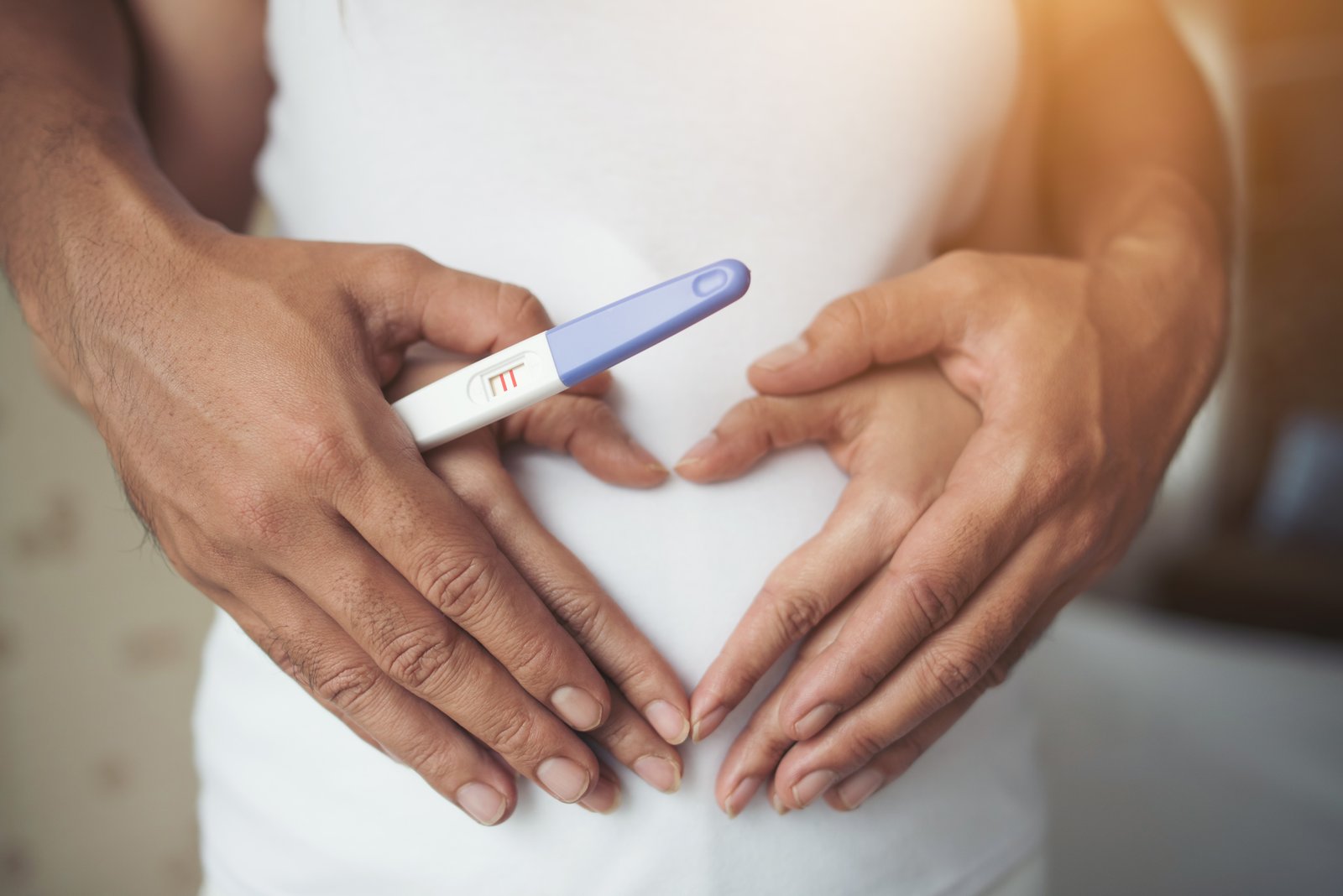
Polycystic Ovary Syndrome (PCOS) is a common hormonal condition that can affect menstrual cycles, ovulation, PCOS and fertility. For women planning a pregnancy, a PCOS diagnosis may raise questions about whether they can conceive naturally or need fertility treatment. The good news is that many women with PCOS can become pregnant, either naturally or with medical support. The right approach depends on factors such as ovulation patterns, age, overall reproductive health, and whether other fertility-related conditions are present. Understanding the connection between PCOS and fertility can help you make informed decisions about your reproductive health and seek appropriate care when needed.
Thank you for reading this post, don't forget to subscribe!Key Takeaways
- PCOS can interfere with regular ovulation, making conception less predictable.
- Many women with PCOS conceive naturally, while others may benefit from medical treatment.
- Common symptoms include irregular periods, acne, excess facial or body hair, and scalp hair thinning, although symptoms vary.
- Diagnosis involves assessing symptoms, medical history, and appropriate investigations.
- Lifestyle changes may support reproductive health, but individualised medical care may also be necessary.
- Fertility treatments, including ovulation-inducing medication and selected assisted reproductive techniques, may be considered based on individual needs.
Table of Contents
- What Is Polycystic Ovary Syndrome (PCOS)?
- How Does PCOS Affect Fertility?
- Common Symptoms of PCOS
- PCOS and Ovulation: Why Can Conception Be Difficult?
- Can You Get Pregnant Naturally With PCOS?
- How Is PCOS Diagnosed?
- PCOS Treatment Options for Women Planning Pregnancy
- When Are IUI or IVF Considered for PCOS?
- Disclaimer
- Final Thoughts
- Frequently Asked Questions
What Is Polycystic Ovary Syndrome (PCOS)?
Polycystic Ovary Syndrome (PCOS) is a hormonal and metabolic condition that can affect how the ovaries function. It is commonly associated with irregular menstrual cycles, higher levels or effects of androgens (hormones such as testosterone), and changes in the appearance of the ovaries on ultrasound. Despite its name, PCOS does not simply mean that a woman has ovarian cysts. The small structures seen on an ultrasound are usually immature follicles, and their presence alone does not confirm PCOS. PCOS can affect women differently. Some experience irregular periods and acne, while others may have few obvious symptoms and discover the condition when they experience difficulty conceiving. The condition is also associated with insulin resistance in some women, which can influence metabolic health and hormonal function.
How Does PCOS Affect Fertility?
PCOS can affect fertility primarily by interfering with the regular release of an egg from the ovary. During a typical menstrual cycle, an egg matures and is released during ovulation. If sperm fertilises the egg and the embryo develops and implants successfully, pregnancy may occur. With PCOS, hormonal imbalances can interfere with follicle development and ovulation. Some women ovulate irregularly, while others may not ovulate regularly at all. This can reduce the number of opportunities for conception. other factors may also influence fertility, including age, weight-related metabolic concerns, thyroid disorders, and male-factor infertility.
Importantly, PCOS does not automatically mean infertility. Many women with this condition conceive naturally or achieve pregnancy with appropriate treatment.
Common Symptoms of PCOS
PCOS symptoms can vary in type and severity. Some women experience several symptoms, while others notice only changes in their menstrual cycle. Common symptoms include:
- Irregular periods: Menstrual cycles may be infrequent, unpredictable, or absent.
- Difficulty conceiving: Irregular or absent ovulation can make it harder to identify fertile days.
- Acne and oily skin: Higher androgen levels can contribute to persistent acne.
- Excess facial or body hair: Some women experience increased hair growth on the chin, upper lip, chest, or abdomen.
- Scalp hair thinning: Androgen-related changes may contribute to hair thinning.
- Weight changes: Some women experience weight gain or find weight management difficult, although PCOS can occur at any body weight.
- Metabolic concerns: Insulin resistance and an increased risk of abnormal blood glucose levels may occur.
These symptoms do not confirm PCOS on their own. A healthcare professional can assess symptoms and determine whether further evaluation is needed.
PCOS and Ovulation: Why Can Conception Be Difficult?
Ovulation is the release of a mature egg from an ovary. It is an important part of natural conception because pregnancy generally requires an egg to be available for fertilisation. In women with PCOS, hormonal signalling can disrupt the normal development of ovarian follicles. As a result, ovulation may occur less frequently or may be absent in some menstrual cycles.
This can make conception more challenging for several reasons:
- Unpredictable fertile days: Irregular cycles make it harder to estimate when ovulation will occur.
- Fewer ovulation opportunities: Infrequent ovulation can reduce the number of cycles in which conception is possible.
- Underlying hormonal or metabolic factors: These may contribute to reproductive difficulties in some women.
However, irregular periods do not mean pregnancy is impossible. Ovulation can still occur unpredictably, even when cycles are irregular. Women who do not wish to conceive should therefore not assume that PCOS prevents pregnancy.
Can You Get Pregnant Naturally With PCOS?
Yes, many women with PCOS can get pregnant naturally. The likelihood depends on whether ovulation occurs, as well as other factors affecting fertility. Women who ovulate regularly may be able to conceive without fertility treatment. Those with irregular ovulation may still conceive naturally, but it can take longer because the fertile window is less predictable.
Some practical steps that may support reproductive health include:
- Tracking menstrual cycles: Recording period dates can help identify changes in cycle patterns.
- Understanding ovulation: A healthcare professional can advise on appropriate ways to assess ovulation.
- Maintaining balanced nutrition: A varied diet that supports overall and metabolic health may be beneficial.
- Engaging in regular physical activity: Activity can support metabolic health and general well-being.
- Taking preconception advice: A clinician can review medications, recommend appropriate supplements such as folic acid, and assess individual health needs.
Lifestyle changes can be helpful, but they are not a guaranteed treatment for infertility. Women with absent periods or known ovulation problems do not necessarily need to delay medical assessment while trying lifestyle changes alone.
How Is PCOS Diagnosed?
PCOS is diagnosed through a clinical assessment rather than a single test. In adults, diagnosis generally requires at least two of the following three features, after excluding other conditions that may cause similar symptoms:
- Irregular or absent ovulation: This may present as irregular menstrual cycles or difficulty conceiving.
- Clinical or biochemical signs of excess androgens: Examples include excess facial hair or elevated androgen levels on blood tests.
- Polycystic ovarian morphology: This may be identified through an ultrasound or, in appropriate adult cases, assessed using anti-Müllerian hormone (AMH) as an alternative to ultrasound.
An ultrasound is not always necessary if the other diagnostic criteria are met. AMH should not be used as a standalone test to diagnose PCOS. Depending on symptoms and medical history, investigations may include:
- Menstrual and reproductive history.
- Physical examination.
- Blood tests to assess hormone levels.
- Tests to exclude other causes of irregular periods or androgen excess.
- Blood glucose and lipid assessments to evaluate metabolic health.
- Pelvic ultrasound when clinically indicated.
Diagnostic criteria differ for adolescents, in whom ultrasound and AMH are not recommended for diagnosing PCOS because normal pubertal changes can resemble the condition. An accurate diagnosis helps guide treatment according to the individual’s symptoms, health needs, and pregnancy plans.
PCOS Treatment Options for Women Planning Pregnancy
PCOS treatment depends on whether the primary concern is irregular periods, metabolic health, symptoms related to androgen excess, or difficulty conceiving. For women planning pregnancy, treatment generally focuses on supporting ovulation, addressing other fertility factors, and improving overall health.
Lifestyle and Metabolic Management
Balanced nutrition, regular physical activity, adequate sleep, and sustainable health habits can support metabolic health in women with PCOS. For women who have higher weight-related health risks, individualised weight management may also be discussed. These measures can improve some reproductive and metabolic outcomes, but they are not a substitute for fertility treatment when treatment is needed.
Ovulation-Inducing Medication
For women with PCOS and fertility who have anovulatory infertility and no other identified infertility factors, letrozole is generally recommended as the first-line pharmacological treatment for inducing ovulation, subject to clinical suitability and local prescribing guidance. Other medications, including clomiphene citrate or metformin in selected circumstances, may be considered depending on the clinical situation. Metformin may be useful for particular metabolic indications and can have a role in some fertility treatment plans, but it is not the preferred ovulation-induction medication for every woman. Treatment requires medical supervision, including appropriate assessment and monitoring.
Further Fertility Evaluation
If pregnancy does not occur, the next step is not always to increase medication. A fertility specialist may reassess ovulation, the fallopian tubes, sperm health, and other factors that could affect conception. Treatment should be based on the complete fertility assessment rather than the PCOS and fertility diagnosis alone.
When Are IUI or IVF Considered for PCOS?
Some women with PCOS conceive after ovulation-inducing treatment, while others may need additional fertility support. The choice depends on ovulation response, the duration of trying to conceive, age, tubal health, semen analysis results, and previous treatment.
Intrauterine Insemination (IUI)
IUI involves placing prepared sperm into the uterus around the time of ovulation. For women with PCOS, IUI may be considered in selected circumstances, such as when ovulation has been addressed and there is an additional indication for insemination. It is not automatically required simply because a woman has PCOS and fertility.
In Vitro Fertilisation (IVF)
IVF involves stimulating the ovaries, collecting eggs, fertilising them in a laboratory, and transferring an embryo into the uterus. IVF may be considered when other treatments have not been successful or when additional fertility factors make it an appropriate option. Women with PCOS and fertility can respond strongly to ovarian stimulation, which may increase the risk of ovarian hyperstimulation syndrome (OHSS). Fertility specialists can use individualised stimulation protocols, monitoring, and appropriate preventive measures to reduce this risk.
The most suitable treatment depends on the individual’s fertility assessment. A specialist can explain the potential benefits, limitations, risks, and alternatives before treatment begins.
Disclaimer
This article is intended for general educational purposes only and does not replace professional medical advice, diagnosis, or treatment. PCOS symptoms, fertility needs, and treatment suitability vary from person to person. Consult a qualified healthcare professional for an individual assessment before starting medication, fertility treatment, or lifestyle interventions intended to support conception.
Final Thoughts
PCOS can affect ovulation and make conception less predictable, but it does not mean that pregnancy is impossible. Many women conceive naturally, while others benefit from ovulation-inducing medication or assisted reproductive techniques. Understanding your symptoms, obtaining an accurate diagnosis, and choosing treatment based on your individual fertility needs can help you make informed decisions about pregnancy planning. If you have PCOS and are concerned about conception, consider speaking with a qualified fertility specialist to discuss your options and develop an appropriate care plan.
For women seeking fertility guidance in Aundh, Pune, Elpis IVF Center & Maternity Hospital can be contacted to enquire about available consultation and fertility evaluation services.
Learn more about our fertility services and book your consultation today: https://elpisivfclinic.com/
FAQs
(Frequently Asked Questions)
Can a PCOS patient get pregnant naturally?
Yes, many women with PCOS can get pregnant naturally. The chances depend on factors such as ovulation patterns, age, and overall reproductive health. Women with irregular ovulation may take longer to conceive and may benefit from medical evaluation or PCOS and fertility treatment.
What is the easiest way to get pregnant with PCOS?
The most appropriate approach depends on the individual’s fertility health. Tracking menstrual cycles, maintaining healthy lifestyle habits, and seeking medical advice can help. For women with PCOS and fertility-related ovulation problems who have no other identified infertility factors, letrozole is generally recommended as the first-line medication for ovulation induction under medical supervision.
Is PCOS a high-risk pregnancy?
PCOS is associated with an increased risk of certain pregnancy complications, including gestational diabetes, high blood pressure, pre-eclampsia, and preterm birth. However, PCOS and fertility does not mean that every pregnancy will be high-risk or develop complications. Preconception counselling and appropriate antenatal monitoring can help manage individual risks.
What age is peak fertility with PCOS?
There is no specific age at which fertility peaks for women with PCOS. As with other women, fertility is generally higher in the 20s and begins to decline with age, particularly from the mid-30s. PCOS and fertility can affect ovulation, but it does not stop the natural age-related decline in egg quality. Women planning pregnancy should consider their age, menstrual regularity, and individual reproductive health when deciding when to seek fertility advice.
Can I have a healthy pregnancy with PCOS?
Yes. Many women with PCOS have healthy pregnancies. Preconception advice, appropriate monitoring, and antenatal care can help manage individual risks.
When should I consult a PCOS specialist in Pune?
Consider seeking an assessment if you have irregular or absent periods, suspect ovulation problems, or are planning pregnancy and have concerns about fertility. Earlier assessment is particularly useful when a known reproductive issue may affect conception.
2 Responses