

Starting your fertility journey can be both exciting and overwhelming. If you’re considering In Vitro Fertilization (IVF) for the first time, one of your biggest questions is likely:
Thank you for reading this post, don't forget to subscribe!“What are my chances of getting pregnant with IVF?”
IVF success is different for every couple, and each journey is unique. Factors such as age, egg quality, sperm health, embryo quality, underlying fertility conditions, and the expertise of your fertility clinic all play a role.
The good news is that IVF has helped millions of couples worldwide achieve their dream of parenthood. Understanding what influences success rates can help you set realistic expectations and make informed decisions throughout your treatment.
Key Takeaways
- IVF success rates depend on several medical and lifestyle factors.
- Your age plays a major role in improving the chances of IVF success.
- Women under 35 generally have higher pregnancy success rates.
- Healthy daily habits can help improve your chances of IVF success.
- Some couples may need more than one IVF cycle before achieving pregnancy.
- Selecting a trusted fertility clinic can increase your chances of success.
- Being emotionally prepared is just as important as being physically ready.
Table of Contents
- What Is IVF?
- What Does IVF Success Rate Mean?
- Average IVF Success Rates by Age
- Factors That Affect IVF Success
- First IVF Cycle: What to Expect
- Can You Improve IVF Success Rates?
- Common Reasons IVF May Not Work
- When Should You Consider Another IVF Cycle?
- Emotional Expectations for First-Time Parents
- Final Thoughts
- FAQs
What Is IVF?
In Vitro Fertilization (IVF) is an assisted reproductive technology (ART) in which eggs are collected from the ovaries and fertilized with sperm in a laboratory. The healthy embryo is carefully placed into the uterus to help achieve pregnancy.
IVF is commonly recommended for couples experiencing:
- Blocked fallopian tubes
- Male infertility
- Ovulation disorders
- Endometriosis
- Unexplained infertility
- Low ovarian reserve
- Previous unsuccessful fertility treatments
What Does IVF Success Rate Mean?
An IVF success rate refers to the percentage of IVF cycles that result in:
- Pregnancy
- Clinical pregnancy
- Live birth
The live birth rate is considered the most meaningful measurement because it reflects the likelihood of delivering a healthy baby.
Success rates can differ between clinics because of differences in patient age, medical history, laboratory quality, and treatment protocols.
Average IVF Success Rates by Age
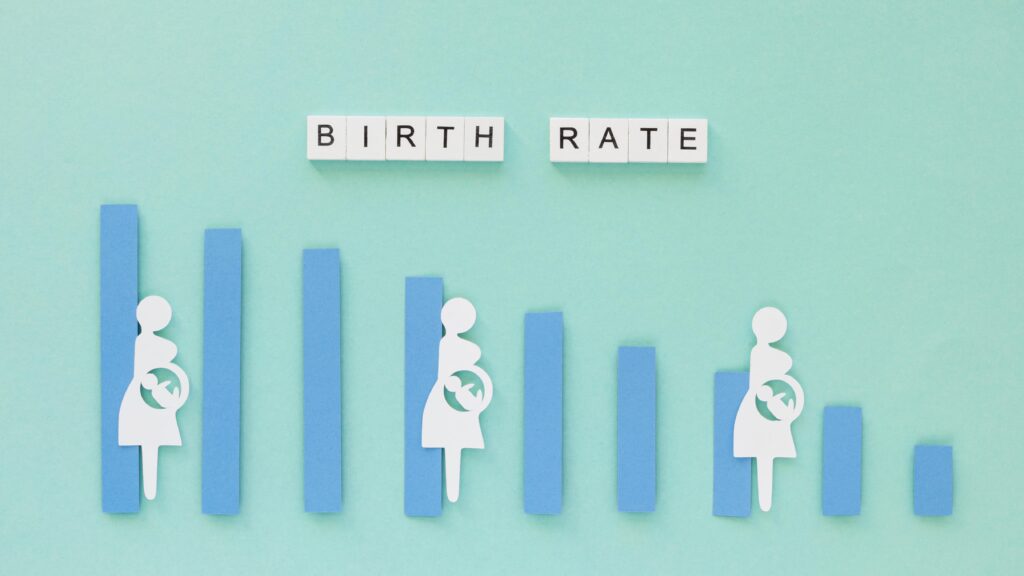
Age is one of the most important factors influencing IVF success. In general, younger women tend to have higher pregnancy and live birth rates because they typically have a better ovarian reserve and healthier egg quality. Women under the age of 35 have an average pregnancy success rate of 45% to 55% per IVF cycle, making this age group the most likely to achieve a successful outcome. For women aged 35 to 37, the success rate ranges from 35% to 45% per cycle. Between the ages of 38 and 40, the chances decrease to approximately 25% to 35%. Women aged 41 to 42 have an average success rate of 15% to 20% per IVF cycle, while those over the age of 42 generally have a success rate of below 10% to 15% when using their own eggs. It’s important to remember that these figures are general estimates and may vary depending on individual health, fertility diagnosis, embryo quality, treatment protocols, and the expertise of the fertility clinic. Many patients can still achieve successful pregnancies with personalized treatment plans, even if they fall into an older age group.
Factors That Affect IVF Success
- Age
Younger women generally have healthier eggs, leading to higher fertilization and implantation rates.
- Egg Quality
Healthy eggs produce healthier embryos, increasing the likelihood of successful implantation.
- Sperm Quality
Healthy sperm improves fertilization rates and embryo development.
Doctors evaluate:
- Sperm count
- Motility
- Morphology
- Embryo Quality
Embryos that develop normally have a greater chance of implanting successfully.
Many clinics use advanced embryo grading systems to identify the strongest embryos.
- Uterine Health
A healthy uterus is essential for implantation.
Conditions such as:
- Fibroids
- Polyps
- Endometriosis
- Scar tissue
may reduce IVF success.
- Lifestyle Habits
Lifestyle choices can significantly impact fertility.
Healthy habits include:
- Maintaining a healthy weight
- Eating nutritious foods
- Regular exercise
- Getting enough sleep
- Reducing stress
- Avoiding smoking
- Limiting alcohol
First IVF Cycle: What to Expect
For many couples, the first IVF cycle is a learning experience.
Typical steps include:
- Fertility assessment
- Ovarian stimulation
- Egg retrieval
- Fertilization
- Embryo culture
- Embryo transfer
- Pregnancy test
Some couples conceive during the first cycle, while others may require additional attempts.
Can You Improve IVF Success Rates?
Although no treatment guarantees pregnancy, several strategies may improve your chances.
Follow Your Doctor’s Instructions
Take medications exactly as prescribed and attend every appointment.
Eat a Fertility-Friendly Diet
Include foods rich in:
- Protein
- Fruits
- Vegetables
- Whole grains
- Healthy fats
Stay well hydrated.
Maintain a Healthy Weight
Both underweight and overweight individuals may experience reduced fertility.
Manage Stress
While stress alone doesn’t cause IVF failure, emotional well-being can improve your overall treatment experience.
Helpful practices include:
- Meditation
- Yoga
- Walking
- Counseling
- Support groups
Choose an Experienced Fertility Clinic
An experienced fertility team, advanced laboratory technology, and personalized treatment plans may improve outcomes.
Common Reasons IVF May Not Work
Several factors can contribute to an unsuccessful IVF cycle.
These include:
- Poor embryo quality
- Implantation failure
- Genetic abnormalities
- Low ovarian reserve
- Advanced maternal age
- Hormonal imbalance
- Uterine abnormalities
- Unknown biological factors
Remember, one unsuccessful cycle does not mean IVF will never work.
When Should You Consider Another IVF Cycle?
Many fertility specialists recommend discussing another IVF cycle if:
- Good embryos remain frozen
- Your doctor identifies ways to improve treatment
- Medical conditions can be addressed before the next attempt
Many successful pregnancies occur after the second or third IVF cycle.
Emotional Expectations for First-Time Parents
IVF is not only a medical journey, it is also an emotional one.
You may experience:
- Hope
- Anxiety
- Excitement
- Disappointment
- Uncertainty
Talking openly with your partner, family, counselor, or fertility specialist can make the journey easier.
Remember that needing multiple IVF cycles is common and does not mean your goal is out of reach.
Final Thoughts
For first-time parents, IVF offers hope and an opportunity to overcome many fertility challenges. While success rates vary depending on age, medical history, and lifestyle, understanding the factors that influence IVF outcomes helps set realistic expectations.
Whether your IVF journey takes one cycle or several, every step brings you closer to your dream of becoming a parent.
Ready to Take the First Step Towards Parenthood?
If you’re considering IVF and want expert guidance tailored to your unique fertility journey, the specialists at Elpis IVF Clinic are here to help. From comprehensive fertility assessments to advanced IVF treatment, our experienced team provides personalised care and support at every stage.
Whether you’re exploring IVF for the first time or planning your next treatment cycle, we’re committed to helping you make informed decisions with confidence.
Learn more about our IVF treatment and book your consultation today:
https://elpisivfclinic.com/services/ivf-treatment-in-pune/
FAQs
(Frequently Asked Questions)
Is IVF successful on the first attempt?
Yes, many couples achieve pregnancy during their first IVF cycle, but success depends on age, fertility diagnosis, embryo quality, and overall health.
How many IVF cycles do most couples need?
Some conceive during the first cycle, while others may need two or three cycles to achieve pregnancy.
Does IVF guarantee pregnancy?
No. IVF significantly improves the chances of pregnancy for many couples, but no fertility treatment can guarantee success.
Does stress reduce IVF success?
Stress has not been proven to directly cause IVF failure, but managing stress can improve your overall treatment experience and emotional health.
Can lifestyle changes improve IVF outcomes?
Yes. Healthy eating, regular exercise, maintaining a healthy weight, avoiding smoking, and following medical advice may support better IVF outcomes.