

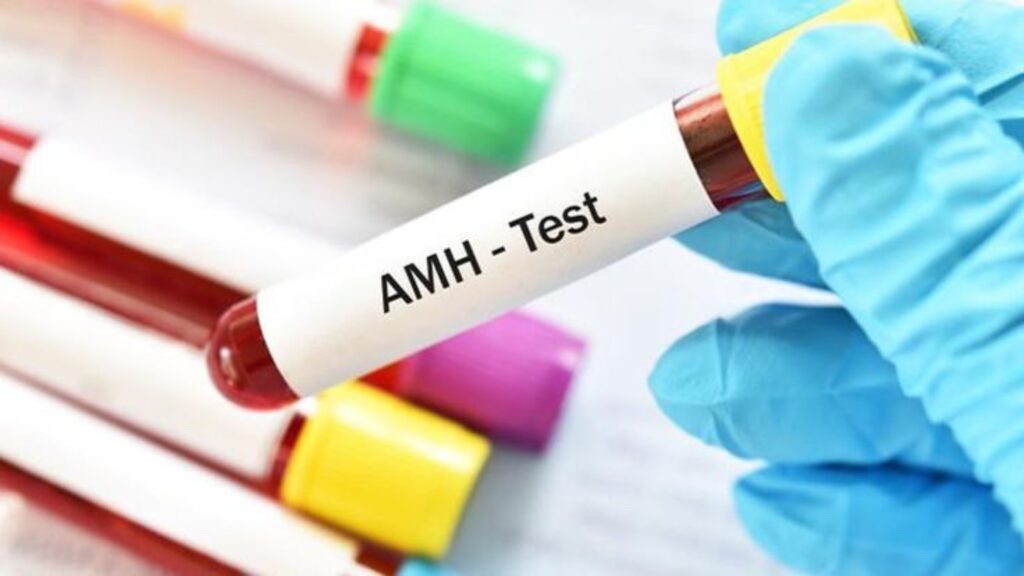
Hearing that you have low AMH levels can be emotionally difficult, especially if you are planning to start or grow your family. Many women immediately assume that low AMH means they cannot conceive, but that is not always true. Fertility is influenced by several factors, and AMH is only one part of the overall picture.
Thank you for reading this post, don't forget to subscribe!Many women successfully achieve pregnancy with low AMH naturally or with the help of fertility treatments. With the right diagnosis, timely medical support, and personalized care, there are still multiple paths toward parenthood.
If you are trying to understand the connection between low AMH and fertility, this guide explains what low AMH means, how it affects conception, and the treatment options available.
Key Takeaways
- Low AMH levels do not always mean pregnancy is impossible.
- AMH (Anti-Müllerian Hormone) is used to estimate ovarian reserve and egg quantity, not egg quality.
- Many women with low AMH levels can still conceive naturally or with fertility treatment.
- Age, overall reproductive health, and egg quality play a major role in fertility outcomes.
- Early fertility evaluation can help identify the best treatment options for women with low AMH.
- IVF and other assisted reproductive treatments may improve pregnancy chances in women with reduced ovarian reserve.
- Personalized fertility treatment plans are important because every fertility case is different.
- Healthy lifestyle habits may support overall reproductive health and fertility outcomes.
- Fertility specialists may recommend additional tests alongside AMH testing for accurate diagnosis.
- Choosing an experienced fertility clinic can help women with low AMH receive the right guidance and treatment support.
Table of Contents
- Pregnancy with Low AMH: What Does It Mean?
- Understanding AMH and Ovarian Reserve
- Does Low AMH Reduce Pregnancy Chances?
- Important Factors That Affect Fertility
- Common Causes of Low AMH Levels
- How Fertility Specialists Diagnose Low AMH?
- Treatment Options and IVF for Low AMH
- Ways to Support Fertility Naturally
- When to Seek Fertility Guidance?
- Final Thoughts
- FAQs
1.Pregnancy with Low AMH: What Does It Mean?
AMH, also known as Anti-Müllerian Hormone, is a hormone produced by ovarian follicles. Doctors use AMH testing to estimate ovarian reserve, which refers to the number of eggs remaining in the ovaries.
A low AMH level usually indicates that egg reserve is lower than expected for a woman’s age. However, it is important to understand that low AMH does not directly measure egg quality.
This means women with fewer eggs may still have healthy eggs capable of fertilization and pregnancy.
Because fertility depends on several reproductive factors, many women continue to experience successful pregnancy with low AMH.
2.Understanding AMH and Ovarian Reserve
The AMH test is commonly included in fertility evaluations because it gives doctors insight into ovarian function.
AMH testing may be advised for women who:
- Are planning delayed pregnancy
- Experience irregular menstrual cycles
- Have difficulty conceiving
- Are considering IVF treatment
- Have a family history of early menopause
AMH levels naturally decline with age. Lower levels are more commonly seen in women approaching their late thirties and forties.
However, lower ovarian reserve does not always mean conception is impossible. The relationship between low AMH and fertility is more complex than a single test result.
3.Does Low AMH Reduce Pregnancy Chances?
Low AMH may affect the number of eggs available during ovulation, but pregnancy is still possible in many cases.
Several women with low AMH continue to ovulate regularly and conceive naturally.
Pregnancy chances are influenced by:
- Age and egg quality
- Hormonal balance
- Ovulation health
- Uterine condition
- Fallopian tube function
- Sperm quality
Younger women with low AMH often have better egg quality, which may improve conception chances despite reduced ovarian reserve.
This is why fertility specialists recommend complete fertility evaluation rather than depending only on AMH levels.
4.Important Factors That Affect Fertility
While AMH testing is useful, fertility specialists evaluate multiple factors before recommending treatment.
- Egg Quality
Healthy eggs are important for successful fertilization and embryo development.
- Age
Fertility naturally decreases with age due to declining egg quality.
- Reproductive Health
Conditions such as PCOS, endometriosis, or fibroids may affect fertility.
- Male Fertility Factors
Sperm count and sperm quality also influence conception outcomes.
- Lifestyle Habits
Smoking, stress, poor nutrition, and sleep problems may affect fertility health.
Understanding these factors helps women better manage low AMH and fertility concerns.
5.Common Causes of Low AMH Levels
Several medical and lifestyle factors may contribute to lower ovarian reserve.
Common causes include:
- Increasing age
- Family history of early menopause
- Endometriosis
- Ovarian surgery
- Autoimmune disorders
- Chemotherapy treatment
- Smoking and tobacco use
Some women may not notice any symptoms, while others may experience:
- Irregular periods
- Reduced menstrual flow
- Delayed conception
Since symptoms differ from person to person, fertility testing is important for accurate diagnosis.
6.How Fertility Specialists Diagnose Low AMH?
AMH testing is usually combined with additional fertility assessments to understand reproductive health more clearly.
These tests may include:
- Ultrasound scans
- Hormonal blood tests
- Antral follicle count
- Ovulation tracking
- Semen analysis
A complete fertility evaluation helps doctors recommend the most suitable treatment approach for achieving pregnancy with low AMH.
Early diagnosis also allows patients to explore fertility preservation or treatment options before ovarian reserve declines further.
7.Treatment Options and IVF for Low AMH
Women with low AMH still have several fertility treatment options available.
Treatment plans are usually based on:
- Age
- Fertility history
- Egg quality
- Hormone levels
- Overall reproductive health
Fertility Medications
Certain medications may help stimulate ovulation and support egg development.
IUI Treatment
In some cases, intrauterine insemination may be recommended.
IVF for Low AMH
Many specialists recommend IVF for low AMH because IVF allows doctors to closely monitor ovarian response and embryo growth.
The IVF process generally includes:
- Ovarian stimulation
- Egg retrieval
- Laboratory fertilization
- Embryo development
- Embryo transfer
Although egg quantity may be lower, successful pregnancy is still possible if healthy embryos develop.
Modern fertility technology and individualized treatment protocols continue to improve success rates for women with reduced ovarian reserve.
8.Ways to Support Fertility Naturally
Healthy lifestyle choices may help support reproductive wellness and improve overall fertility outcomes.
- Follow a Nutritious Diet
Balanced nutrition supports hormonal and reproductive health.
- Exercise in Moderation
Regular physical activity supports overall wellbeing.
- Avoid Smoking and Alcohol
These habits may negatively affect ovarian health and fertility.
- Prioritize Sleep and Stress Management
Mental and emotional health play an important role during fertility treatment.
- Attend Regular Fertility Check-Ups
Timely medical care supports better fertility planning and treatment decisions.
Although lifestyle changes may not increase AMH levels significantly, they can help support overall fertility health.
9.When to Seek Fertility Guidance?
You should consider consulting a fertility specialist if:
- You are over 35 and trying to conceive
- You have irregular menstrual cycles
- You have been trying to conceive unsuccessfully
- You received a low AMH diagnosis
- You have a history of reproductive health issues
Early fertility consultation allows doctors to identify the right treatment plan and improve reproductive planning.
If you are concerned about low AMH and fertility, seeking expert guidance early can help you explore the best options available.
10.Final Thoughts
A low AMH report can feel discouraging, but it does not define your ability to become a parent. Many women successfully achieve pregnancy with low AMH with the help of proper diagnosis, timely fertility treatment, and personalized medical care.
Every fertility journey is unique, which is why individualized treatment and expert guidance are essential. Understanding your reproductive health early can help you make informed decisions and improve your chances of success.
At Elpis IVF Care, our fertility specialists provide advanced fertility evaluation, compassionate care, and personalized treatment solutions for women facing fertility challenges.
If you are looking for expert support for low AMH and fertility concerns, book your consultation with Elpis IVF Care today and take the next step toward your parenthood journey.
FAQs
(Frequently Asked Questions)
Can I get pregnant naturally with low AMH?
Yes, many women with low AMH levels can still conceive naturally depending on their age, egg quality, and overall reproductive health.
Does low AMH affect egg quality?
Low AMH mainly reflects egg quantity and does not directly measure egg quality.
Is IVF successful for women with low AMH?
Yes, IVF for low AMH can help improve pregnancy chances through personalized fertility treatment and close monitoring.
What lifestyle habits support fertility health?
Healthy eating, stress management, regular sleep, and avoiding smoking may support reproductive wellness.
When should I consult a fertility specialist for low AMH?
You should seek fertility guidance if you are struggling to conceive, have irregular cycles, or receive a low AMH diagnosis.
2 Responses